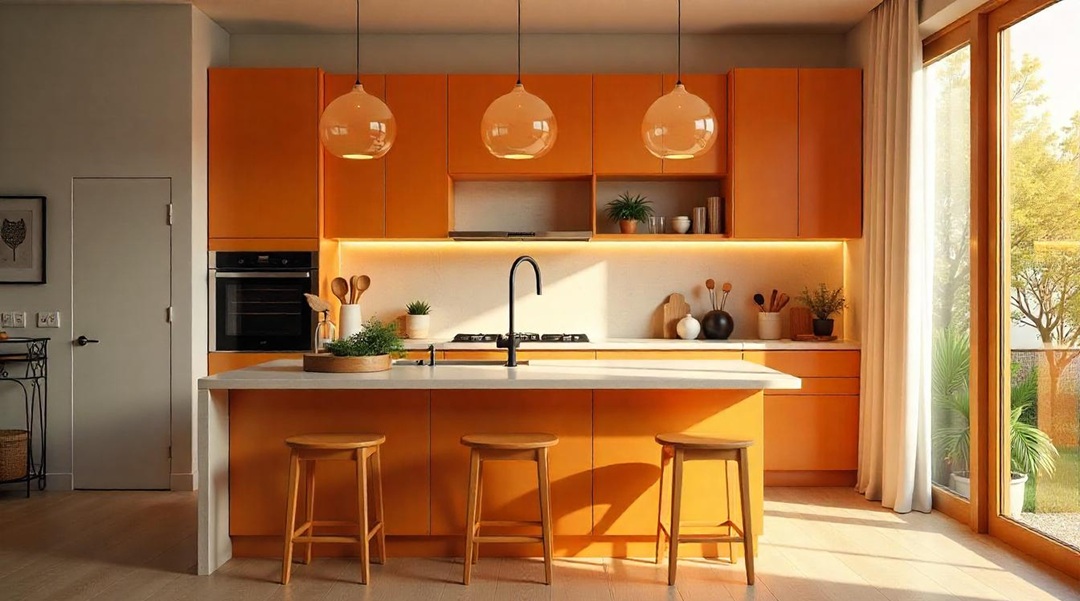
Factors that Affect the Cost of Custom Kitchen Cabinets
A well-designed kitchen does not happen by chance. Every cabinet line, drawer, hinge, panel, and finish involves a decision. Each decision can affect the final price.
If you are planning a kitchen renovation, you may notice big differences between cabinet quotes. This is normal. Cabinetry is often one of the largest costs in a kitchen project.
The good news is that you can control many of these costs. When you understand what affects the price, you can plan better. You can also compare quotes with more confidence.
Custom kitchen cabinets are built to suit your space. They can improve storage, function, and style. But the final cost depends on several factors. Let’s look at the main ones.
Key Factors That Affect Custom Kitchen Cabinet Cost
So, what actually drives the cost of custom kitchen cabinets? Let’s break it down.
| Cost Factor | How It Affects the Price |
|---|---|
| Kitchen layout | Complex layouts need more time, materials, and labour. |
| Cabinet materials | Stronger and moisture-resistant materials usually cost more. |
| Door style | Detailed doors cost more than flat panels. |
| Hardware | Premium hinges, runners, and pull-outs add to the price. |
| Finishes | Special finishes need more skill and preparation. |
| Installation | Difficult access or uneven walls can increase labour costs. |
1. Cabinet Design and Layout Complexity
Your kitchen layout has a big impact on cost.
- A simple galley kitchen usually costs less. It often has straight cabinet runs and fewer custom details.
- A U-shaped, island, or large open-plan kitchen will cost more. These layouts need more materials and more installation time.
- Corner cabinets can also add to the cost. They often need special hardware, such as pull-out systems or carousel units.
- Kitchen islands may also increase the price. They may need cabinets on several sides. They may also need finished panels and extra support.
- Ceiling-height cabinets cost more as well. They use more material. They also need careful installation.
2. Materials Used for Cabinet Carcasses
The cabinet carcass is the internal cabinet structure. It may not be very visible, but it matters.
- Cheaper cabinets often use particleboard. It can be affordable. But low-quality particleboard may not handle moisture well.
- MDF is another common option. It is often used for painted cabinets. It has a smooth surface and is good for clean finishes.
- Plywood is usually stronger. It is also more moisture-resistant. However, it costs more.
In Australian homes, humidity can be a concern. This is especially true near coastal areas. Better-quality boards can help prevent swelling and long-term damage.
3. Door and Panel Materials
Cabinet doors affect the look of your kitchen. They also affect the price.
- Flat laminate doors are usually the most affordable. They are easy to clean. They also come in many colours and finishes.
- Thermofoil doors give a smooth finish. But they may peel if exposed to too much heat.
- Painted polyurethane doors cost more. They need several coats and careful sanding.
- Solid timber doors are often more expensive. Premium timbers, such as Tasmanian oak or American walnut, can increase the price a lot.
- Door style also matters. Shaker-style doors usually cost more than flat panels. They need more cutting, routing, and labour.
4. Custom Cabinets vs Standard Sizing
Standard cabinets come in set sizes. They can be cheaper. But they may not fit every kitchen well.
- Custom cabinets are made for your exact space. This gives you better storage and a cleaner finish.
- If you choose custom kitchen cabinets in Melbourne, you are paying for a tailored result. The cabinets are designed around your kitchen, lifestyle, and storage needs.
- Semi-custom cabinets are another option. They use standard cabinet bases with some changes. This can reduce cost. But it gives you fewer choices.
- Older homes often need custom cabinetry. So do kitchens with sloping ceilings, uneven walls, or unusual layouts.
5. Hardware and Accessories
Hardware can have a big effect on the final price.
Soft-close hinges and drawer runners are common in modern kitchens. Premium brands usually cost more. But they often last longer and feel smoother to use.
Accessories can also increase the price. Some examples include:
- Pull-out pantry systems
- Magic corner units
- Integrated bin drawers
- Spice racks
- Drawer dividers
- Cutlery trays
- Appliance lift systems
These features make the kitchen easier to use. But they can quickly add up.
6. Finishes and Surface Treatments
The cabinet finish affects both style and price.
- Laminate is one of the most affordable finishes. It is durable and easy to clean.
- Premium laminate costs more. Textured finishes and specialty colours can also increase the price.
- Two-pack polyurethane is more expensive. It needs several coats. It also needs sanding between layers.
- Timber veneer gives a natural look. But it needs careful handling and sealing.
- High-gloss acrylic panels can create a modern look. They are usually more expensive than standard laminate.
The more detailed the finish, the more skill is needed. That extra work increases the cost.
7. Labour and Craftsmanship
Good cabinetry depends on skilled workmanship.
- Experienced cabinet makers measure, cut, build, and install with care. This helps the cabinets look better and last longer.
- Labour costs can vary by location. In Melbourne, skilled trades are often in high demand. This can affect the price.
- A professional kitchen cabinet maker in Melbourne may cost more than a less experienced installer. But good workmanship can help prevent future problems.
- Poor installation can lead to uneven doors, weak shelves, and gaps. Fixing these issues later can be expensive.
8. Manufacturing Processes
How the cabinets are made also affects the cost.
- Large manufacturers can often produce simple designs at lower prices. They work in higher volumes.
- Smaller custom workshops usually work on individual projects. This gives more flexibility. It can also mean more attention to detail.
- CNC machines are often used for accurate cutting. They reduce waste and improve precision. But these machines are expensive to buy and maintain.
- Australian-made cabinets may also cost more than imported options. However, they often offer better quality control and local warranty support.
9. Installation Requirements
Installation can change the final price. Some kitchens are easy to install. Others need extra preparation.
- Uneven floors or walls may need to be fixed.
- Plumbing or electrical points may need to be moved.
- Appliances may need exact spacing.
- Apartment projects can also cost more.
- There may be lift restrictions, parking limits, or building rules.
These issues can increase labour time. They can also require more planning and coordination.
10. Size and Scale of the Kitchen
The size of the kitchen has a direct impact on cost.
- A small kitchen in an apartment needs fewer cabinets. It will usually cost less.
- A large family kitchen needs more materials. It may include pantry towers, island storage, overhead cabinets, and appliance housing.
- More cabinets mean more labour. They also mean more hardware and more installation time.
- In larger projects, the cost per metre may reduce slightly. But the total cost will still be higher.
11. Storage Innovations and Smart Features
Modern kitchens often include smart storage.
These features can make daily life easier. But they also add cost. Popular options include hidden charging stations, LED lighting, touch-to-open drawers, appliance garages, and pull-out storage. Some features need electrical work. Others need special hardware. Smart storage can be worth it. But it should be planned early in the budget.
12. Location and Market Demand
Location can affect cabinet pricing.
In Melbourne, renovation demand is strong. Many homeowners want modern designs and premium finishes.
This can increase demand for skilled cabinet makers. It can also affect labour costs and project timelines. City projects may also involve higher delivery and installation costs. Parking, access, and building rules can all add time. Seasonal demand may also affect pricing. Busy renovation periods can lead to longer wait times.
13. Economic Conditions and Material Costs
Material prices can change over time. Timber supply, shipping costs, inflation, energy prices, and labour costs can all affect cabinet pricing. Hardware prices can also rise. Hinges, drawer runners, boards, and finishes may cost more when demand is high.
This is why cabinet quotes may change. A quote from several months ago may not match current pricing.
14. Compliance and Building Standards
Kitchen cabinetry must meet safety and building requirements.
Some areas may need moisture-resistant boards. Apartment buildings may need fire-rated materials or extra paperwork. Compliance can increase costs. But it protects your home and helps avoid problems later.
A cabinet maker who understands local standards can help keep the project on track.
15. Project Management and Design Services
Design work also affects the total price.
A kitchen designer helps plan layout, storage, finishes, and workflow. They may also provide drawings or 3D images. This planning can prevent mistakes. It can also improve how the kitchen works every day.Some cabinet makers include design in the quote. Others charge for it separately.
Either way, design time is part of the project cost.
Cabinet Material Comparison
| Material | Cost Level | Best For |
|---|---|---|
| Particleboard | Low | Budget-friendly kitchens |
| MDF | Medium | Painted cabinet finishes |
| Plywood | High | Strong and moisture-resistant cabinetry |
| Solid timber | High | Premium and natural kitchen designs |
| Timber veneer | Medium to high | Natural look with a refined finish |
| Laminate | Low to medium | Durable and easy-care cabinet doors |
Practical Tips to Manage Cabinet Costs
You do not always need to choose the cheapest option. It is better to make smart choices early.
Here are some simple ways to manage your budget:
- Finalise your layout before production starts.
- Compare quotes with the same material details.
- Ask what is included in the quote.
- Check if hardware and installation are included.
- Choose premium features only where they matter most.
- Ask about warranty and after-sales service.
- Confirm timelines early to avoid rush fees.
Careful planning can save more money than cutting corners.
Why Quality Cabinetry Is Worth It
Cabinetry is not just a renovation cost. It affects how your kitchen looks, feels, and works.
Good cabinets are easy to notice. Drawers open smoothly. Doors line up well. Shelves feel strong. Finishes look clean.
Poor cabinetry can make the whole kitchen feel cheap. This can happen even with expensive benchtops and appliances.
Quality cabinets can also add value to your home. Buyers often notice the kitchen first.
Thinking long term helps you spend wisely.
Final Thoughts
The cost of custom kitchen cabinets depends on many factors. These include layout, materials, finishes, hardware, labour, installation, and market conditions.
Every choice adds something to the final price. Some choices affect style. Others affect durability and function.
Instead of choosing the cheapest quote, focus on value. Look for quality materials, practical storage, skilled workmanship, and a finish that suits your home.
A well-designed kitchen is more than a renovation. It is an investment in comfort, storage, daily function, and long-term property value.


.png?20261009134116666+1100)