
How to Choose the Perfect Kitchen Cabinet Colour Combination
Your kitchen cabinets are one of the first things anyone notices when they walk into your kitchen. They occupy more visual space than almost anything else in the room, which means the colour you choose has a direct effect on how your entire kitchen looks, feels, and functions.
Choosing the right cabinet colour is not simply about following what is on trend. It is about finding a palette that works with your kitchen's size, natural light, existing benchtops and splashbacks, and the overall style of your home. Get it right and your kitchen feels bigger, brighter, and more inviting.
This guide brings together advice from designers, colour experts, and home kitchen cabinet professionals to give you a comprehensive and practical resource for choosing your ideal kitchen cabinet colour combination. Whether you are planning a full renovation, a cabinet repaint, or simply looking for fresh inspiration, you will find what you need here.
Why Kitchen Cabinet Colour Matters More Than You Think
Cabinet colour shapes the mood, perceived size, and overall aesthetic of your kitchen more than almost any other element. Light colours reflect natural light and create a sense of openness and airiness. Darker tones add depth, sophistication, and a grounding richness that can make a large kitchen feel more intimate and warm.
Beyond aesthetics, colour also has a practical dimension. Darker cabinet finishes in navy, charcoal, or deep espresso tend to conceal fingerprints and everyday wear far better than bright whites or light pastels. Neutral colours like white, warm grey, and soft cream also consistently perform well with buyers, making them a safer investment if you are planning to sell in the near future
Key Factors to Consider Before Choosing a Colour
1. The Size of Your Kitchen
Kitchen size is one of the most important factors in colour selection. In smaller kitchens, lighter colours such as soft whites, creams, pale greys, sage green, and powder blue help the room feel larger and more open. These shades reflect light, making the perimeter of the kitchen appear to recede visually.
If you are working with a compact layout, a high gloss finish or polished splashback will amplify this effect further. Two tone cabinets are another smart strategy for small kitchens: choose white or light coloured upper cabinets to maintain a sense of height, while introducing a slightly deeper tone on the lowers or island for visual interest without heaviness.
In larger kitchens, you have considerably more flexibility. Light colours work beautifully, creating a clean and airy atmosphere. But deeper tones like forest green, slate grey, charcoal, or dark stained timber can also shine here, adding drama, warmth, and personality without making the space feel closed in.
2. Natural and Artificial Lighting
The quality and direction of light in your kitchen should heavily influence your colour choice. A south or west facing kitchen flooded with warm natural light gives you the most freedom, as both light and dark shades perform well in these conditions.
North facing kitchens with cooler and more limited natural light are a different story. In these spaces, stark white or ice blue can feel cold and unwelcoming. Warmer tones such as honey timbers, creamy whites, sage green, or warm grey help counteract the coolness and create a more inviting atmosphere.
Artificial lighting matters too. Warm toned lighting complements earth tones, timber finishes, and creams beautifully. Cooler lighting tends to work better with whites and greys. Always test laminate or paint samples under your kitchen's actual lighting conditions, and at different times of day, before committing to a final choice.
3. Your Design Style
Your cabinet colour should feel cohesive with the broader style of your home. A modern or contemporary kitchen often suits sleek, high contrast palettes such as matte black and white, navy with marble, or cool greys with brushed steel hardware. Transitional kitchens can carry more warmth through natural wood tones, sage green, or moody blue grey. Traditional or heritage style homes often work best with creamy whites, warm beiges, deep timber stains, or classic navy paired with brass accents.
4. Your Benchtops and Splashback
Your cabinets need to work harmoniously with your benchtops, splashback, flooring, and wall colour. If you already have your benchtop selected, use the colour wheel as a starting point. Analogous colours, those sitting adjacent to each other on the wheel, create a soft and harmonious feel. Complementary colours, those sitting opposite each other, introduce contrast and energy.
As a general rule: if your benchtop or splashback is a statement piece with strong veining or bold colour, opt for more muted and neutral cabinets to let it breathe. If your surfaces are relatively understated, your cabinets have room to do more of the talking.
5. The 60 30 10 Rule
A simple and effective framework used by interior designers worldwide, the 60 30 10 rule breaks your colour scheme into three layers. Sixty percent should be your dominant colour, typically your cabinets or walls. Thirty percent is your secondary colour, usually benchtops, splashbacks, or flooring. Ten percent is your accent colour, expressed through hardware, tapware, pendant lights, or bar stools. This prevents the kitchen from feeling either too flat or too chaotic, and it is especially useful when you are feeling overwhelmed by the options available.
The Best Kitchen Cabinet Colour Combinations
These are the most popular and designer approved kitchen cabinet colour pairings, ranging from classic and timeless to bold and contemporary.
1. White and Grey
The enduring classic. White cabinets paired with grey, whether as a benchtop, splashback, or lower cabinet colour, create a kitchen that is clean, fresh, and effortlessly modern. This combination works in virtually any kitchen size or style. For more visual interest, layer different shades of grey alongside crisp white and finish with brushed nickel or chrome hardware.
2. Black and White
Bold, timeless, and endlessly versatile. White upper cabinets keep the space feeling open, while black lower cabinets or a black island add gravitas and structure. Soften the high contrast with timber accents, textured stone benchtops, or brushed gold hardware. Dark cabinetry paired with good mid neutrals is striking yet timeless and particularly effective at giving presence to smaller rooms.
3. Navy Blue and White
A classic pairing that is coastal without being cutesy, and classic without being boring. White perimeter cabinets paired with a navy island or navy lower cabinets delivers a crisp and refined look with genuine longevity. Add warm wood elements on lower cabinets or open shelving to prevent the scheme from feeling too formal, and finish with brass or brushed gold hardware for warmth.
4. Navy Blue and Cream
A warmer take on the navy and white combination. Swapping stark white for a softer cream tone creates a look that feels more relaxed and welcoming, particularly well suited to federation, heritage, and coastal inspired homes. Try matte finishes for a contemporary feel, or add antique brass hardware for traditional charm.
5. Sage Green and White
Sage green has moved firmly from trend to timeless. Its soft and muted quality feels both natural and sophisticated, pairing beautifully with white in all its forms, whether on benchtops, splashbacks, or upper cabinets. Add brass or brushed gold hardware to create a look that is elegant, organic, and enduringly chic. Tonal green combinations, such as deeper forest green paired with sage on different cabinet levels, add even more dimension and visual depth.
6. Olive Green and Champagne
For kitchens with a relaxed, earthy, or Mediterranean inspired aesthetic, olive green and champagne is a deeply appealing combination. Use olive on the base cabinets, champagne on the benchtops, and complement with cream splashbacks and open timber shelving. Aged brass or antique bronze hardware adds the perfect final layer of warmth.
7. Blue Grey and Grey
A pairing that proves cool tones can be deeply welcoming. Light crisp grey on perimeter cabinets combined with a slightly richer blue grey on the island adds dimension and sophistication without jarring contrast. The result is organic, calming, and beautifully layered, ideal for those who want a refined kitchen without committing to bold colour
8. Natural Timber and White
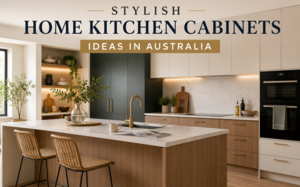
For those drawn to warmth and organic texture, natural timber paired with white is an effortlessly beautiful combination. White cabinets create a bright and airy base while timber on open shelving, lower cabinets, or the island bench adds tactile warmth and character. Choose light oak for a beachy Scandinavian feel or rich walnut for something more dramatic.
9. Warm Neutrals and Earth Tones
Soft beige, oatmeal, khaki, warm taupe, and creamy white are enjoying a significant resurgence in kitchen design. These earthy and natural tones create a grounded and organic feel that works beautifully in homes where indoor outdoor flow is central to the design. Pair with timber look floors, stone benchtops, and natural material accessories for a cohesive nature inspired scheme.
Two Tone Cabinet Ideas
One of the strongest trends in contemporary kitchen design, two tone cabinetry uses two different colours in the same kitchen to add visual depth, zone different areas, and bring personality to the space. It is also a clever way to introduce colour without committing to it on every surface.
Why Two Tone Works
Dual colour cabinet schemes break up large expanses of a single colour, making kitchens feel more dynamic and considered. They can also serve a practical purpose, visually defining the island from the perimeter, or grounding the lower cabinets while keeping the upper cabinets light and open.
Popular Two Tone Combinations
- Light uppers with dark lowers: The most classic approach. White, cream, or light grey upper cabinets keep the space feeling open, while navy, charcoal, or forest green base cabinets add structure and grounding. A white or marble look benchtop ties the two levels together beautifully.
- Timber base with painted uppers: Natural oak or timber look lower cabinets paired with matte white, sage, or soft grey uppers. Adds texture and warmth while maintaining a clean and contemporary feel.
- Bold island with neutral perimeter: Keep the surrounding cabinetry neutral in white, grey, or cream and introduce a statement colour such as navy, forest green, or deep burgundy on the island alone. This is the easiest way to add a second tone without overhauling the entire kitchen.
- Tonal variations: Use two shades of the same colour family, such as dark sage on lowers and light sage on uppers, for a sophisticated and layered look that is bold yet cohesive.
Tips for Two Tone Success
When working with two tone cabinets, keep benchtops relatively neutral to avoid too many competing elements. A white, light grey, or warm cream stone look surface tends to work across most combinations. Choose splashback tiles that complement both cabinet colours rather than matching just one. Mixed hardware can also work well, such as matte black on base cabinets and brushed brass or chrome on uppers, adding a refined but layered finish.
Matching Cabinet Colours to Benchtops
The relationship between your cabinet colour and your benchtop is one of the most important design decisions you will make. Here are the most successful pairings:
- Navy cabinets with white stone benchtop: Particularly effective in medium to large kitchens with good natural light. White stone with subtle grey veining lifts the richness of navy and keeps the look clean and contemporary. Brass or gold hardware completes the scheme.
- Oak or timber look cabinets with white gloss benchtop: A warm Scandinavian inspired pairing. The wood grain softens the high gloss surface, while white keeps the palette bright and uncluttered. Suits open plan homes and coastal style kitchens.
- Black cabinets with timber benchtop: Dramatic but grounded. Best in kitchens with good light. The timber breaks up the dark cabinetry and adds essential warmth. Works particularly well with concrete floors or minimalist interiors.
- Sage or olive cabinets with marble look benchtop: Calm, organic, and increasingly popular. Soft green cabinetry paired with a marble look surface featuring soft veining creates a palette that feels simultaneously natural and refined.
- White cabinets with textured or veined stone: A classic combination that adapts to any style. White cabinetry gives you the flexibility to introduce interest through the benchtop. Look for surfaces with subtle veining, warm beige tones, or gentle texture.
- Warm neutrals with off white or cream benchtop: Earthy cabinet tones in beige, oatmeal, or mushroom grey pair beautifully with off white, cream, or warm stone benchtops for a grounded and cohesive nature inspired scheme.
Colour Schemes for Small Kitchens
In a small kitchen, colour is about more than just aesthetics. It is a tool for making the space feel larger, brighter, and more functional. Here is how to use it strategically.
1. Stick to Light and Bright
Light colours naturally reflect more light, expanding the perceived size of a small space. Soft whites, light greys, pale sage, and powder blue are all excellent choices for compact kitchens. A high gloss finish on cabinetry or splashback tiles amplifies this effect by bouncing both natural and artificial light around the room.
2. Use Vertical Colour Zoning
Keep your base cabinets slightly darker in pale oak or mushroom grey, and your upper cabinets lighter in white or soft cream, to draw the eye upward and create the illusion of higher ceilings. A full height tiled splashback reinforces this vertical line and adds further visual height to the room.
3. Be Strategic With Two Tone
Two tone cabinets can work beautifully in small kitchens when used thoughtfully. Keep the upper cabinets white to maintain a sense of height and openness, and introduce a slightly deeper tone on the base cabinets or island for grounding interest without heaviness.
4. Choose Benchtops Carefully
In small kitchens, stick with light stone tones for benchtops in white, soft grey, or surfaces with subtle and light veining. Heavy dark or highly patterned benchtops can visually weigh the room down. Choose tapware and hardware in brushed nickel or soft chrome to blend in rather than break up the visual flow of the space.
Kitchen Cabinet Colour Trends
The direction in contemporary kitchen design is clear: warmth, texture, and nature inspired tones are taking centre stage, moving away from the stark whites and cool greys that dominated the previous decade.
1. Earthy and Natural Hues
Earthy greens, soft clay tones, muted blues, warm neutrals, mushroom greys, and dusty pinks are all gaining significant traction. These grounded and nature inspired tones pair beautifully with stone benchtops, timber elements, and natural material accessories. They are ideal for homes where indoor outdoor connection is central to the design.
2. Dark and Moody Spaces
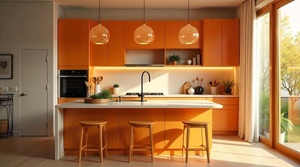
Rich dark tones including deep browns, charcoal, near black, and moody navy are increasingly popular, particularly in larger kitchens. The appeal is less about entirely dark kitchens and more about using depth selectively, such as a dark island against lighter perimeter cabinets for a dramatic but balanced result.
3. Warm Whites and Creams
The era of stark cool white kitchens is giving way to warmer and softer alternatives. Warm whites, creamy off whites, and light taupes feel cosier, more welcoming, and more personal. This shift reflects a broader move in interior design toward spaces that feel lived in and human rather than purely functional.
4. Matte and Textured Finishes
Beyond colour, the finish itself is increasingly important. Matte surfaces are now preferred over high gloss in many contemporary kitchens, offering a softer and more refined look that also resists fingerprints. Textured laminates including woodgrain and linen effect surfaces add depth and warmth without the need for additional colour.
Common Mistakes to Avoid
- Using only dark colours in a small kitchen: Dark cabinets in a small space can feel cramped. Balance them with lighter benchtops, glass front cabinet doors, or a bright splashback.
- Not testing colours in your actual lighting: Laminate and paint colours look very different under natural versus artificial light, and under warm versus cool bulbs. Always test samples at different times of day before committing.
- Chasing trends for your cabinets: Bold trend led colours can date quickly. Reserve them for accessories, decor, and accents that can be easily changed. Keep cabinetry in classic and timeless tones.
- Ignoring the rest of your home: Your kitchen flows into other living areas. A colour that clashes with your hallway or dining room creates a disjointed feel. Consider the broader colour story of your home before deciding.
- Neglecting hardware and fixtures: The colour of your handles, tapware, and light fittings plays a significant role in the overall scheme. Brushed gold suits warm earthy tones. Matte black works with high contrast palettes. Brushed nickel and chrome are versatile across both cool and warm schemes.
- Not thinking about maintenance: Light cabinets show marks and fingerprints more readily than deeper finishes. A busy family kitchen might benefit from a slightly more forgiving tone.
Frequently Asked Questions
1. What is the most popular kitchen cabinet colour?
Neutral shades, particularly white, warm cream, and soft grey, have consistently been the most popular choices due to their versatility and broad appeal. Sage green has surged in popularity in recent years and is now considered a near classic in its own right.
2. Should kitchen cabinets be lighter or darker than the walls?
There are no strict rules. Cabinets and walls can be darker, lighter, or the same shade as each other. Closely tonal combinations create a seamless contemporary feel. Clear contrast between cabinets and walls adds definition and a more traditional sense of structure.
3. What cabinet colours are most timeless?
White, cream, warm grey, and navy have all proven themselves over decades. Sage green and olive are increasingly joining this list, demonstrating longevity across multiple design cycles in both traditional and contemporary kitchen contexts.
4. What cabinet colours hide dirt and fingerprints best?
Darker cabinet colours such as navy, charcoal, deep olive, and espresso in a satin or semi gloss finish tend to conceal everyday marks most effectively. Avoid very light or very dark matte finishes if cleanliness and low maintenance are top priorities.
5. Is it worth using two tone cabinets?
Absolutely. Two tone cabinetry is one of the most effective ways to add visual depth and personality to a kitchen. When done well it feels intentional and sophisticated rather than indecisive. Keep the colour relationship harmonious, either through complementary tones or shades within the same colour family.
Final Thoughts
Choosing the right kitchen cabinet colour combination is one of the most impactful decisions you will make in any kitchen project. The right palette can make a small kitchen feel expansive, transform a bland space into something with real personality, and create a kitchen that you genuinely enjoy spending time in.
Start with your own instincts. Think about the colours you are drawn to in your wardrobe, in interiors you admire, and in the spaces that feel most like home. Layer in the practical considerations from there: the size of your space, your lighting, your existing surfaces, and how the kitchen connects to the rest of your home. Try samples before committing, and do not be afraid to take a considered risk. A kitchen designed with care and a clear colour vision will reward you for years to come.


.png?20261023095409593+1100)